

How to Prepare Your Parents for a Life Story Interview
You have decided to record your parents' stories. That is the hard part done. Now comes the part that most people underestimate: how you prepare them for it.
A life story interview is not something most people have done before. Even confident, talkative people can become quieter and more formal than usual when they know they are being filmed. The preparation you do beforehand is what determines whether the recording captures the real person or a slightly stiff version of them trying to say the right thing.
This guide is about how to get from "we should do this" to a session where your parent speaks freely, remembers things they had forgotten and says things worth keeping.
Start the conversation before the session
The most important preparation happens in the days or weeks before the recording, not on the day itself. A few informal conversations — over dinner, during a walk, on a phone call — serve two purposes. They remind your parent of stories and details they had not thought about in years, and they signal that this is a real conversation, not a test or a performance.
You do not need to go through a formal list of questions in these conversations. You are just creating the conditions for memory to surface. Mention a place from their childhood. Ask about a person you know they remember. Let them finish a story without rushing them toward the point.
By the time the session happens, the territory will feel familiar. They will have been thinking about this period, this person, this story, and the words will come more easily.
What to tell them about what will happen
Uncertainty creates anxiety. Most people who are nervous about being filmed are nervous because they do not know what to expect. The more specifically you can describe what the session will be like, the more comfortable they will feel.
Tell them:
- It will feel like a conversation, not an interview
- There are no wrong answers
- They can stop at any time, ask for a break or ask to move on from a topic
- The recording can be edited — they do not need to get everything right in one take
- The interviewer will guide them — they do not need to prepare a speech or remember everything in advance
Most people relax significantly when they understand that nobody is expecting a polished performance. The goal is a real conversation, and the camera is just there to keep it.
What not to script
Some families, trying to be helpful, encourage their parents to write things down or prepare specific stories in advance. This usually backfires. A parent who has rehearsed what they are going to say will deliver it as a rehearsed story — and the difference between a rehearsed story and a remembered one is audible.
What you want is not a script. You want a prepared mind — someone who has been thinking about this period of their life, who has had a chance to let the memories surface, and who walks into the room relaxed and ready to talk rather than ready to perform.
The specific words will come in the moment. That is when they are most real. You can also explore everything M10 Studio offers in English and Hebrew before you decide.
"My mother had prepared a whole speech. But the best moment in the recording is when she forgot what she was going to say and just started talking about my grandfather's hands."
Handle the sensitive areas in advance
Every family has areas that are complicated — a divorce, an estrangement, a loss, a decision that still carries weight. You do not want these to surface as surprises during the recording.
Before the session, have a quiet conversation with your parent about whether there are topics they would prefer not to discuss, or topics they want to approach carefully. This is not about avoiding the truth — it is about giving them control over their own story.
A person who feels safe in a session, who knows that the difficult areas have been thought about and will be handled with care, will be more open in the areas they do choose to explore. The presence of limits, paradoxically, creates more freedom.
Share whatever you learn with the interviewer before the session. A good interviewer will know how to approach these areas gently if they come up naturally, and how to redirect if needed.
On the day of the session
Time it well
Most people are at their best in the morning or early afternoon. Energy and memory are both better earlier in the day for most older adults. If your parent typically naps in the early afternoon, do not schedule the session immediately before or after.
Build in extra time on either side. An hour before the session to arrive, settle and have a drink. Time after the session with no pressure to be anywhere. A session that feels rushed creates a different atmosphere than one with room to breathe.
Bring something
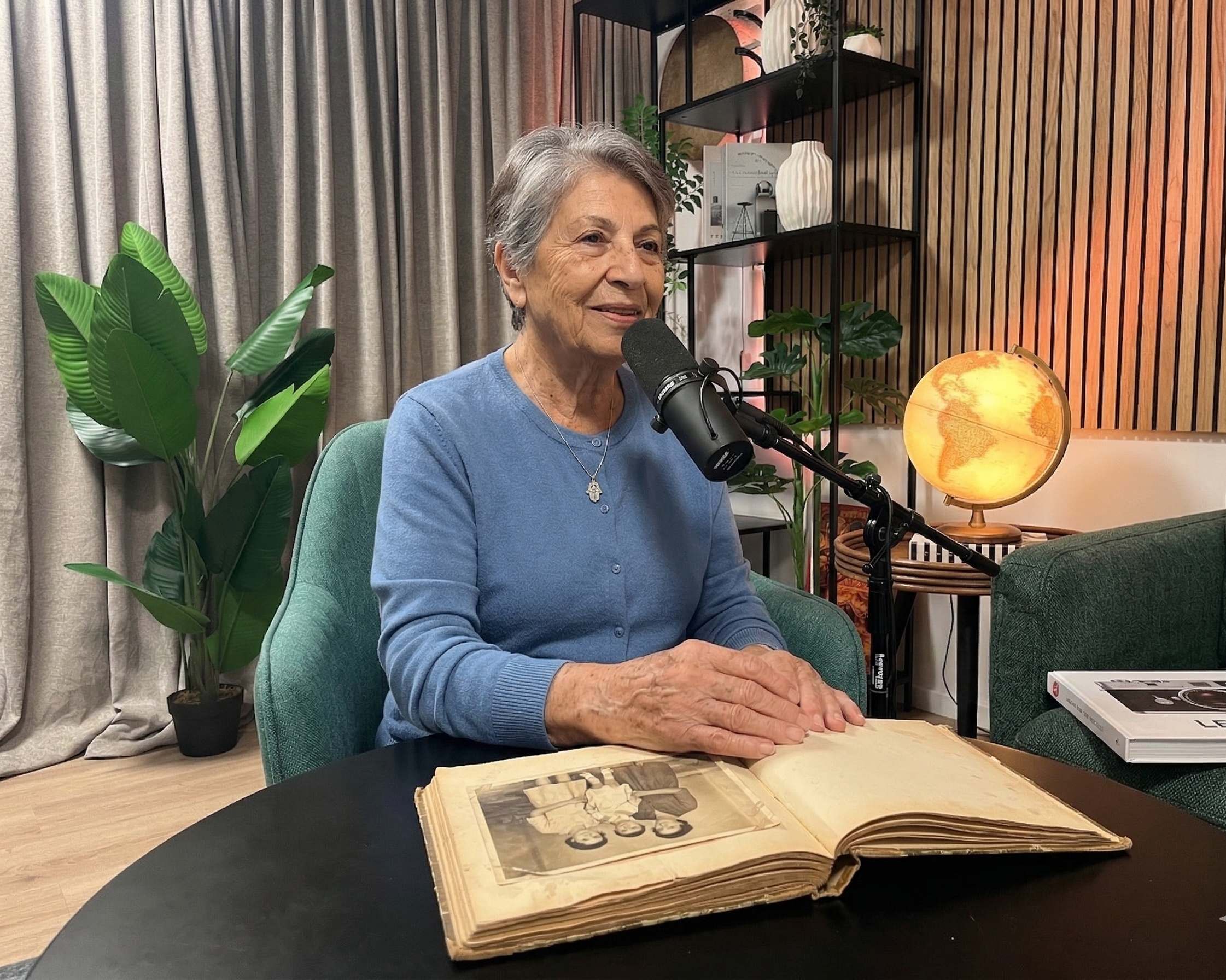
Old photographs are one of the most reliable ways to unlock specific memories. A photo of a house they grew up in, a picture of a person they loved, an image from a period they have talked about — these are not props for the camera. They are memory triggers. A photograph can open a door to a story that no question could have found.
Letters, objects, a piece of music from a particular time — any of these can serve the same purpose. You are not trying to illustrate the interview. You are trying to help someone remember.
Stay in the room if it helps
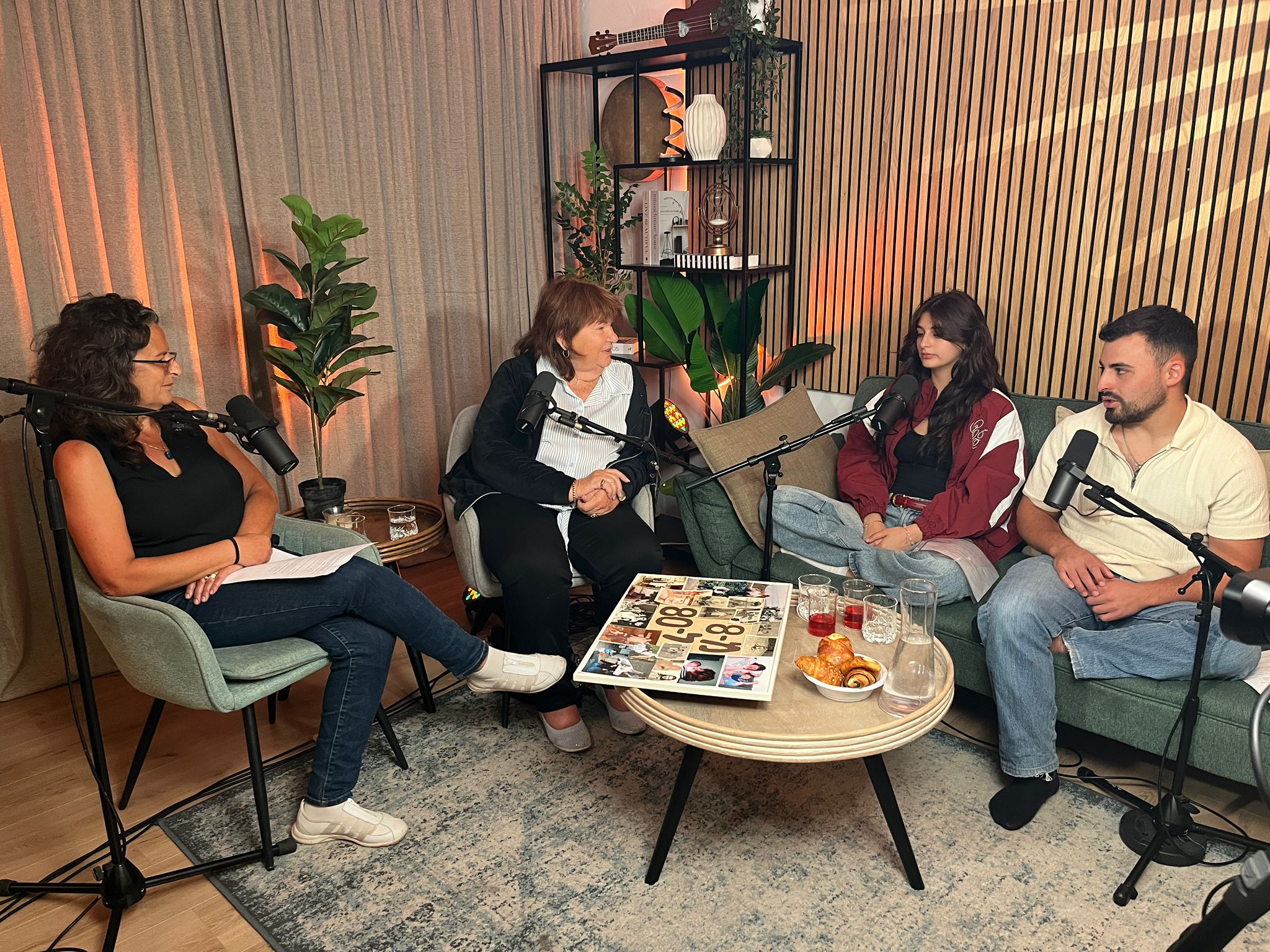
Some people find it easier to speak when a family member is present. Others find it easier with only the interviewer — less pressure to perform, fewer people to disappoint. Ask your parent which they would prefer, and trust their answer.
If you do stay in the room, your job is to be a calm, attentive presence — not to prompt, correct, fill in gaps or react visibly to things that surprise you. Your reactions will affect theirs. If you look surprised or emotional, they may stop and ask if they should have said something differently. Save your reactions for after.
What to do after the session
The recording is done. Your parent has said things they have not said out loud in years, or perhaps ever. What happens in the hours after the session matters.
Do not immediately ask them what they thought of it, whether they are happy with it, or what they wish they had said differently. Let the experience settle. Take them for a meal. Talk about something completely unrelated. Give the session room to exist as something that happened rather than something that needs to be evaluated.
In the days that follow, things will often surface. A story they forgot to tell. A detail they want to add. A person they meant to mention. This is normal and it is good. Write these down. Some of them may find their way into a follow-up conversation or a second session.
The session is the beginning of something, not the end of it. The recording captures a moment. The conversations it starts can continue for years.
If your parent is hesitant
Some parents genuinely do not want to be recorded. They feel self-conscious about their appearance. They do not think their stories are interesting enough. They are private people who have never spoken easily about themselves.
These feelings are real and deserve respect. Pushing someone into a recording they do not want to do will produce exactly the kind of guarded, closed session that nobody wants.
The most effective approach, in our experience, is not to argue the case for the recording. It is to start a conversation. Tell them one specific thing you want to hear about — not "your whole life," but one story, one period, one person. Ask if they would be willing to talk about just that. A small commitment is easier than a large one, and one good conversation often opens the door to more. If you are not sure where to start, this guide on what makes a family recording session work may help.
Some families have found that framing it as a gift for younger family members — grandchildren, great-grandchildren — makes it easier. It shifts the focus from "talking about yourself" to "giving something to the people you love."
This is not just for parents
The title of this guide says "parents" but the preparation process is the same for anyone whose story you want to preserve. A grandparent. An aunt or uncle who lived through something extraordinary. A family friend who has been part of your life for decades. A sibling who experienced a shared history differently from you.
Life story recordings are also not only for older people. Some of the most valuable sessions happen with people in their fifties and sixties - still sharp, still active, with enough perspective to reflect on what they have built and enough time ahead to watch the recording matter to the people who come after them.
The question is not how old someone is. It is whether there are stories worth keeping and a person worth hearing. Almost always, the answer is yes.
Why this gift means more to the giver than the receiver
When families come to us for a recording session, they often describe it as a gift - something they are doing for a parent or grandparent. But almost without exception, the people who feel most changed by the experience are the ones who organised it.
You hear things you did not know. You understand decisions you had always wondered about. You see a person you thought you knew completely from a new angle. And you get to sit in a room and be fully present for a conversation that would otherwise never have happened - because there was never quite a reason, or quite the right moment, or quite enough time.
The recording lasts. But the experience of being in that room, of asking the question and hearing the answer, of watching someone you love remember something they had not thought about in years - that is something the giver carries too.
A family story session at M10 Studio is one of the few gifts that gives back to the person giving it as much as it gives to the person receiving it. Possibly more.
One of the advantages of working with a professional family story recording service in Tel Aviv is that the interviewer carries most of the weight of the preparation. Before the session, they will talk with the family to understand the person, the stories worth exploring and any areas that need careful handling.
A professional interviewer also brings something that family members often cannot: the ability to ask the obvious question without embarrassment, to follow a thread wherever it leads without worrying about what it means, and to be genuinely curious about a story they are hearing for the first time.
Family members who are present sometimes know a story so well that they stop listening before it is finished. A professional interviewer hears everything fresh — and that freshness often draws out details and nuance that a more familiar listener would have missed.
Prefer us to come to you? We also offer on-location family sessions - filmed in your home, garden or a place that matters to your family. Some people speak most freely in familiar surroundings. Talk to us about it.
Ready to start planning a family recording?
Tell us about the person you want to record and what you hope to capture. We will help you think through the rest.
Talk to us on WhatsApp