

The Conversation You Will Wish You Had
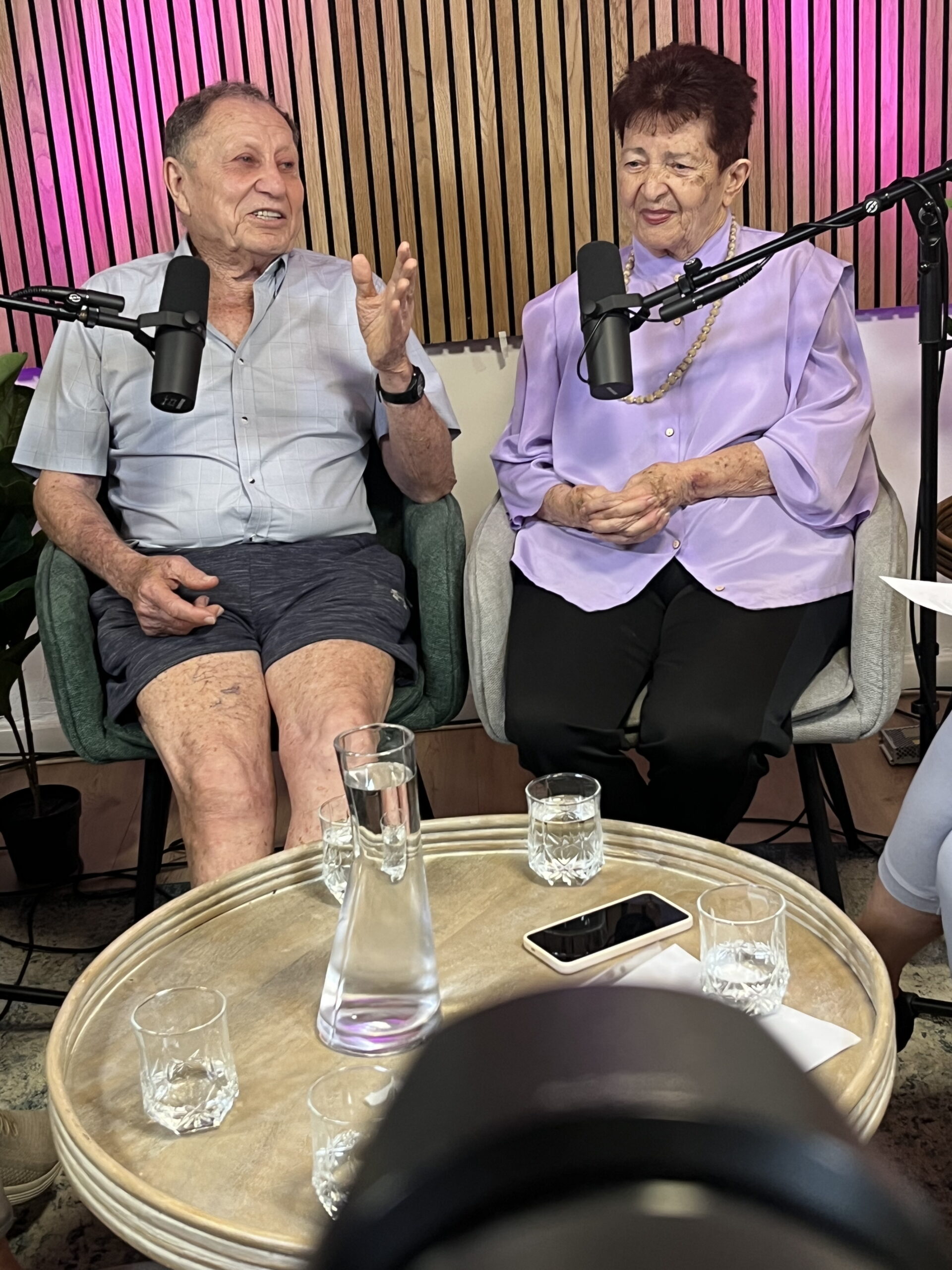
There is a question almost every family eventually asks. Not while their parents or grandparents are still here — but after. It usually sounds something like: "Why didn't we ever ask them about that?"
The stories that feel most obvious to record are the dramatic ones. The immigration story, the war years, the business that started from nothing. But the ones that get lost are often quieter. How they met. What they were afraid of at thirty. What they wanted that they never got. What they are most proud of that nobody ever thought to ask about.
Those conversations are still possible. For most families, there is still time. The question is whether someone decides to create the space for them.
What a recorded family conversation actually is
It is not an interview. It is not an interrogation. It is not a documentary in the way you might imagine — nobody sitting under a spotlight being asked serious questions by a serious person with a clipboard.
A good family recording session feels like sitting around a table. Someone asks a question. The story that comes out leads to another question. Someone else in the room adds a detail. Someone laughs. Someone gets a little quiet for a moment, and then says something they have never said out loud before.
That is the thing about a recorded conversation: it creates permission. When someone knows that what they say will be kept, they often say things they have been carrying for years without a natural moment to share them.
"I had no idea my grandfather had wanted to be a musician. He mentioned it once, almost in passing. That recording is the only place that exists."
Why video matters more than just audio or written records
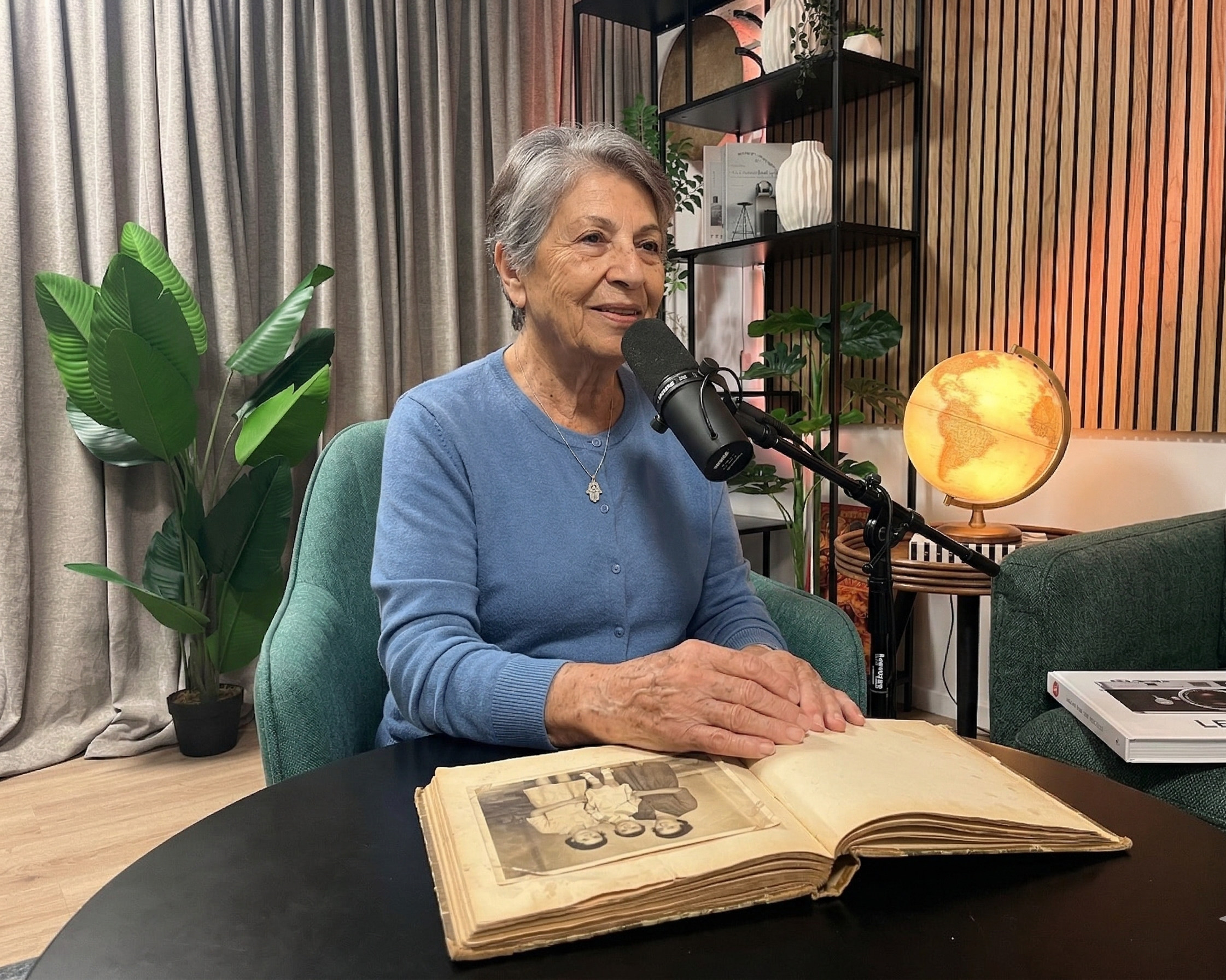
Written records capture what someone said. Audio captures how they said it. Video captures something harder to name - the pause before an answer, the way someone's face changes when they remember something painful, the laugh that sounds exactly like their child's laugh.
These are the things that make a person recognisable across time. A written transcript of a life story is a document. A video of someone telling it is a presence.
For families spread across countries, for grandchildren who were too young to have these conversations themselves, for generations who will never meet the person on screen - video is the closest thing that exists to being in the room.
Who should be in the room
One of the most meaningful things about a family recording session is that it does not have to be one person talking to a camera. It can be a conversation between a parent and an adult child. A grandparent answering questions from a grandchild. Three siblings sitting together, filling in each other's memories and correcting each other gently.
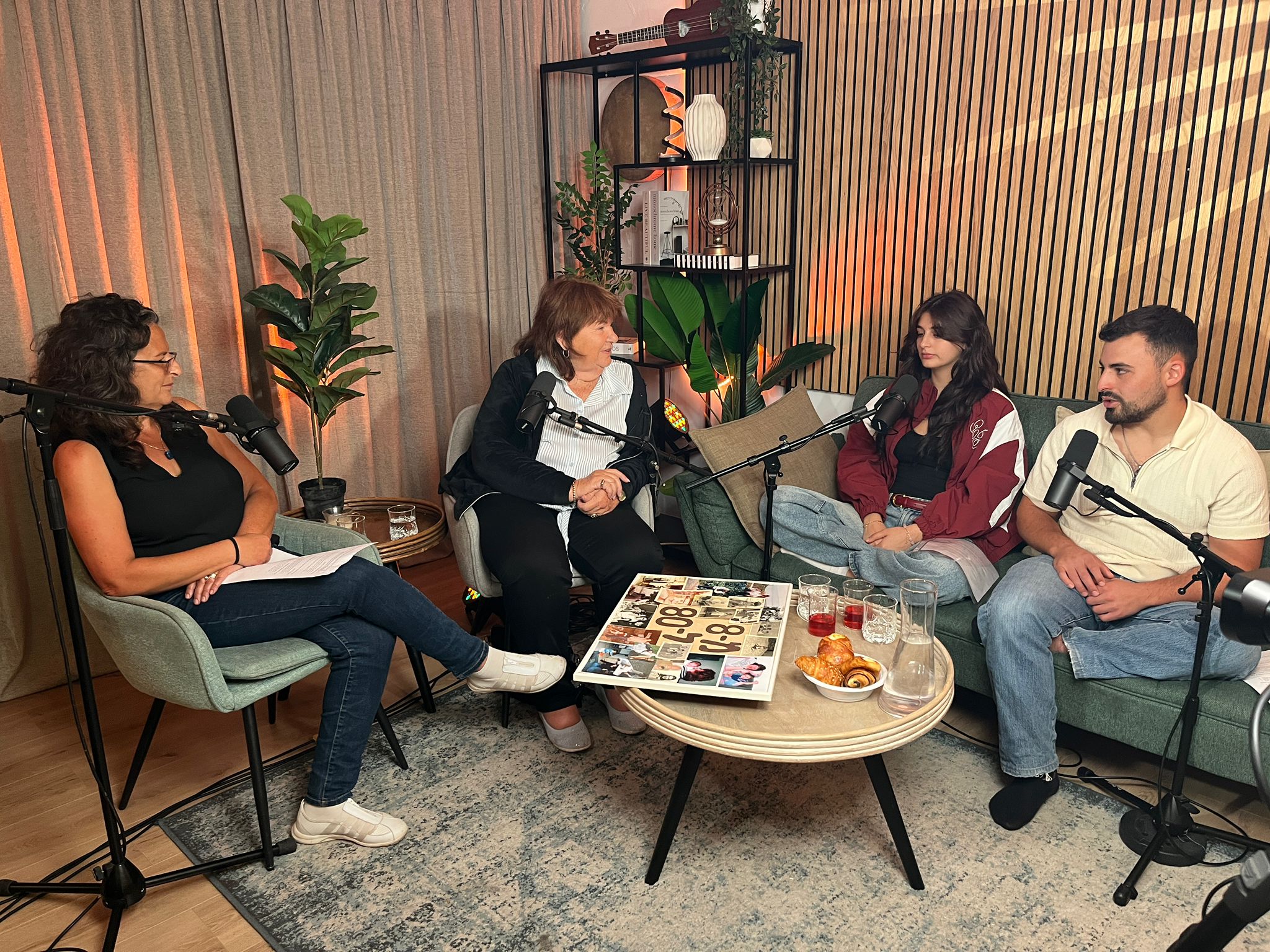
At M10 Studio's family legacy video service in Tel Aviv, up to five family members can join the same session. That creates something different from a solo interview. When a grandmother tells a story and her daughter says "I never knew that" - that moment, and the grandmother's response to it, is itself something worth keeping.
We can also move between participants during the session. One family member can start, and another can join mid-conversation. A grandchild can come in at the end and ask the question they have been wanting to ask for years. This kind of fluid, warm conversation is closer to how families actually talk - and it produces recordings that feel alive rather than formal.
The role of preparation
The best family recording sessions are not improvised. They are prepared - gently, carefully, with attention to what the person being recorded is comfortable with.
Before the session, we talk with the family about what they want to capture. What periods of life matter most. Which stories have already been told and which have never been. Whether there are topics that should be approached carefully or avoided. Whether the person being recorded has any anxiety about being on camera and what would help them feel at ease.
This preparation is not just logistical. It is emotional. A person who arrives at a session knowing roughly what to expect, who has had a chance to think about what they want to say, and who trusts the people in the room will speak differently from someone who was simply told to sit down and talk.
The result - a recording where someone speaks freely, fully and with warmth - is worth the preparation it took to get there.
What questions actually open people up
The questions that produce the best responses in family recordings are almost never the obvious ones. "Tell me about your life" produces a summary. "What did you want to be when you were twelve?" produces a story.
Some of the questions that tend to open things up:
- What is something you believed at twenty that you no longer believe now?
- What decision in your life are you most at peace with?
- Is there something you never got to say to someone you loved?
- What do you hope your grandchildren remember about you?
- What did you learn about yourself from the hardest thing you went through?
- What does home mean to you?
These questions do not have right answers. They have real ones. And the real answers are what make a recording worth keeping.
The best recordings come from questions that invite reflection, not recitation. You are not building a biography. You are capturing a person.
When to do this
There is a version of this conversation that happens because of a milestone: a birthday, an anniversary, a family reunion, a visit from relatives abroad. Those occasions create natural momentum and a reason for everyone to be in the same place.
But the most honest answer to "when" is: before you need to wish you had done it sooner.
Most people do not think of recording a family conversation until after someone's health has started to change, or after a loss makes the absence of a voice suddenly very loud. The sessions that happen before that moment - when someone is still fully themselves, still sharp, still able to laugh and be surprised by their own memories - produce something different. Something easier.
A family recording session given as a gift for a parent's eightieth birthday, or arranged during a sibling's visit from abroad, is a gift that costs less than most things people give and matters longer than almost all of them.
What you receive at the end
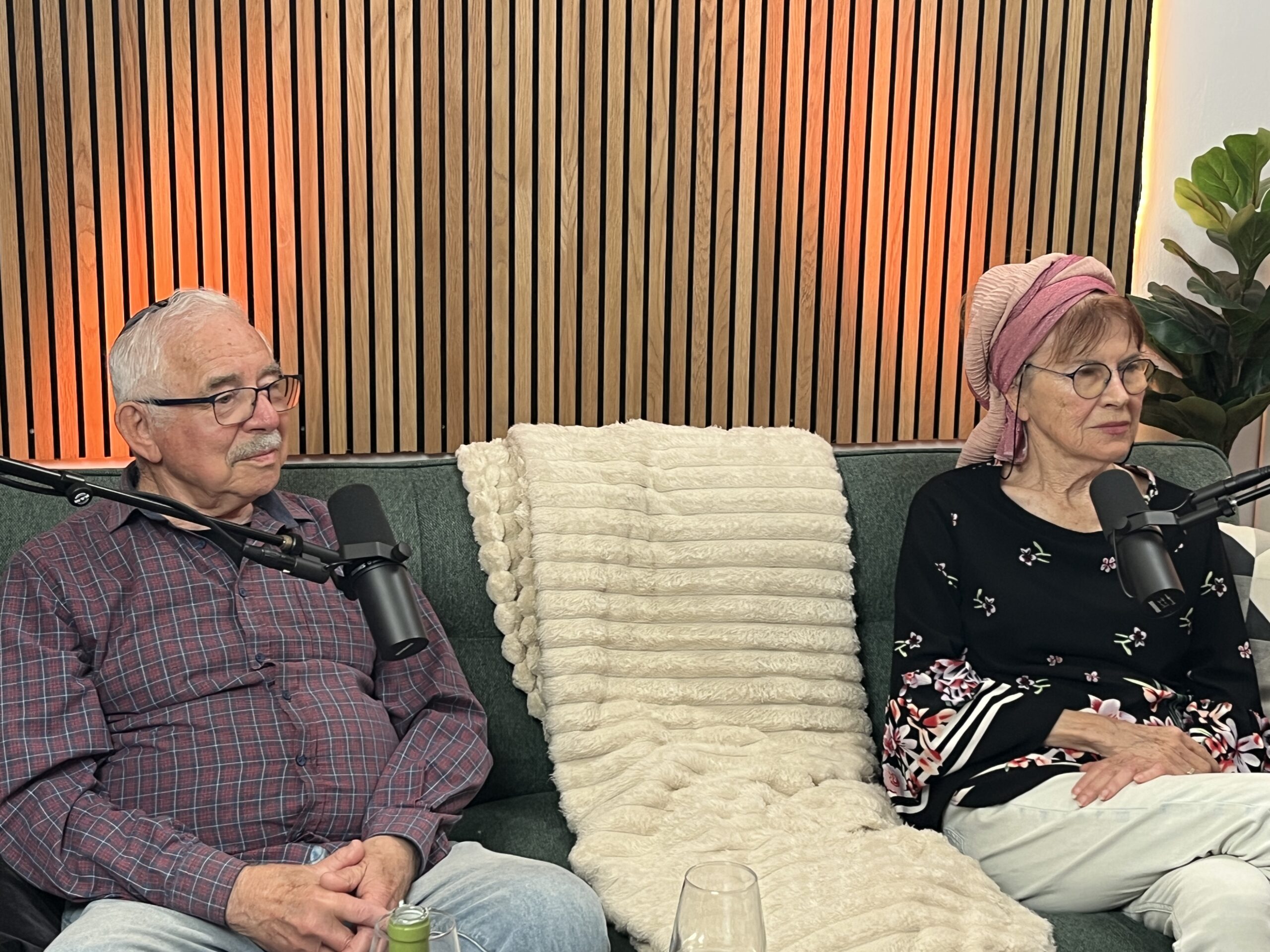
After the session, the recording is edited and prepared for the family. Not heavily produced - this is not a film with a score and a narrative arc. It is a clean, well-captured conversation that can be shared privately with family members anywhere in the world and kept for as long as the family chooses to keep it.
Families often tell us they watch it more than once. That different members notice different things. That children who were present in the room hear things differently when they watch it ten years later.
That is what a family story recording does that a memory cannot: it stays the same while the people watching it change.
Prefer us to come to you? We also offer on-location family sessions - filmed in your home, garden or a place that matters to your family. Some conversations happen more naturally in familiar surroundings. Talk to us about it.
Ready to have the conversation?
Tell us who you want to record and what you hope to capture. We will help you think through the rest.
Talk to us on WhatsApp